
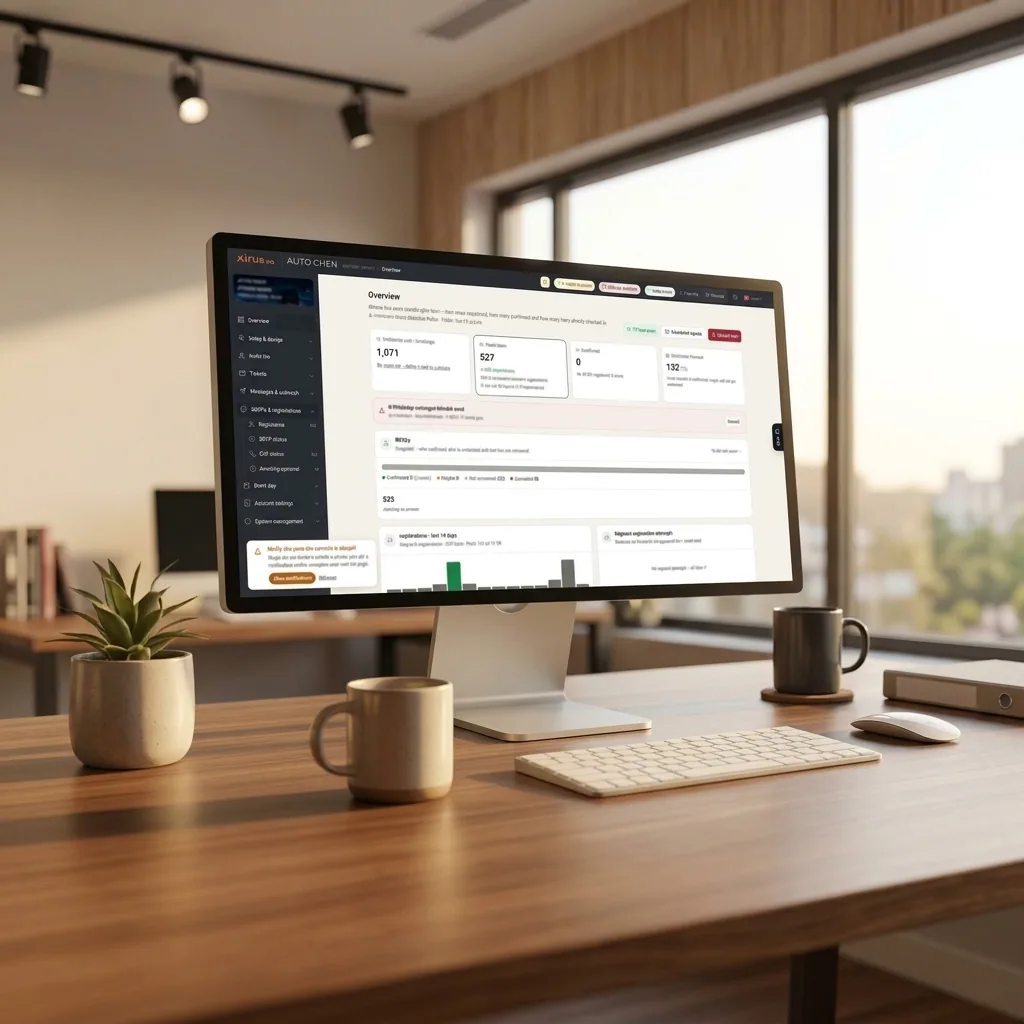
A digital invitation for corporate events is a cloud-based interactive interface that synchronizes attendee databases, direct communication channels, and on-site check-in infrastructure in real time. This operational architecture replaces static spreadsheets and manual follow-up calls with an automated data pipeline where every RSVP, dietary preference, and guest update reflects instantly across registration tables and entrance scanners. Effective deployment eliminates production uncertainty, prevents gate bottlenecks, and gives event managers real-time visibility into venue capacity at any given moment.
For event producers, operations directors, and marketing managers, executing high-attendance summits or trade conferences requires more than aesthetic graphic design. It demands an engineered workflow where every dispatch drives immediate recipient action while maintaining strict brand compliance and rapid system response times.
Anatomy of a Professional Digital Invitation: Core Technical Components
An effective digital invitation is not a static graphic sent over chat, but a lightweight, mobile-optimized landing page engineered for instantaneous loading and seamless data capture. A reliable enterprise architecture relies on four fundamental technical modules:
- Dynamic RSVP Mechanism: An intelligent action button that identifies the recipient through a unique query parameter (
token). Clicking the link updates the guest record directly within the relational database without requiring repetitive manual input of names or corporate email addresses, while presenting optional fields for dietary needs or accessibility requests. - Direct Calendar Synchronization: A localized synchronization file built in compliance with the IETF RFC 5545 iCalendar specification, enabling one-click integration with Google Calendar, Microsoft Outlook, and Apple Calendar, configured with automated reminders and exact venue parameters.
- Precision Geolocation Navigation: A calibrated deep link that routes users directly into navigation clients like Waze or Google Maps, pointing to the designated event parking structure rather than an ambiguous municipal street address.
- Dynamic QR Entry Pass: Upon RSVP confirmation, the server generates a cryptographically secured, unique identification barcode designed for millisecond scanning at physical entry gates. Enterprise productions pair this with sending WhatsApp invitations with QR codes for corporate conferences and events to ensure immediate credential retrieval on mobile devices without relying on inbox searches.
| System Component | Operational Responsibility | Failure State Without Component |
|---|---|---|
| Unique Guest Token | Deterministic 1:1 user identification without credential entry | Duplicate entries, typos, and corrupted database records |
| Calendar Sync Module | Securing a calendar reservation in attendee schedules | High no-show rates and unmanaged schedule conflicts |
| Designated Parking Deep Link | Regulating vehicle ingress and regional traffic flow | Severe parking congestion and delayed opening keynotes |
| Encrypted QR Pass | Millisecond barcode verification at reception gates | Extended waiting queues and slow manual spreadsheet lookups |
WhatsApp Versus Email Delivery: Why Channel Selection Dictates RSVP Rates
A persistent error in conference production is relying entirely on corporate email delivery for invitations. Strict corporate gateway security, enterprise spam filters, and promotional inbox categorization routinely suppress email delivery and suppress engagement. Direct delivery across mobile messaging protocols yields substantially higher open rates and near-instantaneous response times.
Enterprise message delivery requires integration with the official Meta WhatsApp Business Platform Cloud API. Routing dispatches through this verified infrastructure unlocks pre-approved messaging templates, prevents telephone number blacklisting, and attaches verified enterprise profiles to incoming notices. Operationally, two-way webhooks capture user interactions via native quick-reply buttons, updating database attendance states automatically without manual administrative interventions.
Furthermore, high-volume communications must strictly respect regulatory guidelines. Scaling digital invitations across corporate directories requires adherence to an established messaging compliance policy, incorporating automated opt-out mechanisms, dispatch rate limiting, and privacy-first data handling.
Free Digital Invitation Tools Versus Dedicated Enterprise Event Platforms
Deploying consumer-facing free invitation platforms or hobbyist RSVP tools introduces substantial vulnerabilities to corporate conferences and executive summits:
- Absence of Real-Time Bidirectional Synchronization: Free tools rarely support outbound webhooks or secure check-in APIs. Operations teams are forced to export flat CSV files minutes before registration desks open, causing severe data drift between online registrations and local entry scanners.
- Lack of Seating Plan Automation: Corporate dinners and seated presentations require synchronized placement. Integrating real-time seating management allows producers to reassign guests dynamically across tables without causing desynchronization at badge-printing stations.
- Shared Network IP Throttling and Inbound Delays: Free services broadcast messages through crowded shared gateways lacking dedicated IP addresses, yielding hours-long transmission latencies and severe carrier delivery rejections.
- Uncontrolled Brand Dilution: Free consumer applications display third-party advertisements or vendor branding throughout the attendee onboarding sequence, undermining enterprise brand standards.
Critical Failure Modes in Digital Invitation Workflows and How to Prevent Them
Experienced production teams recognize that upstream invitation failures inevitably manifest as operational bottlenecks during the first hour of an event. Mitigating these risks requires structural engineering across three common failure modes:
1. Transmitting Heavy Unlinked Image Files
Broadcasting heavy, high-resolution graphic cards over messaging networks strains recipient mobile bandwidth and completely eliminates interactive calendar or routing links. The correct implementation combines concise, structured plain text with an encrypted hyperlink resolving to a lightweight Single Page Application (SPA) weighing under 300 kilobytes.
2. Collapsing Attendance Confirmation and Final Access Passes Into One Step
Attendees frequently confirm attendance weeks ahead of an industry conference, only to experience schedule conflicts closer to the date. An optimal workflow issues an initial digital invitation to capture baseline attendance commitments, followed by an automated verification ping 24 hours prior containing the final check-in QR pass. This multi-phase cadence filters out late cancellations and provides accurate catering headcounts.
3. Missing Post-Event Attendance Analytics
A critical benchmark of production success is the ability to present executive stakeholders with granular operational metrics. Deploying an enterprise data pipeline enables instant client attendance reporting immediately after doors close, categorizing confirmations, no-shows, cancellations, and peak throughput times across each gate.
Enterprise Gate Management and Rapid Check-in Infrastructure
A robust digital invitation app should function as the front end of an integrated gate control system. When an arriving guest presents a dynamic QR credential generated directly from their messaging interaction, optical scanners validate the record in under two seconds. This automated architecture eliminates manual desk lookups, maintains clean audit trails, and keeps ingress moving smoothly.
If you want to evaluate how an engineered invitation and entry architecture can elevate your upcoming conference, speak with the technical team to review your operational requirements.
Common questions
What is the difference between an image invitation and an interactive digital invitation?
A static image cannot execute programmatic workflows, requires manual guest verification, and cannot synchronize with entrance databases. An interactive digital invitation is an authenticated web interface providing single-click RSVP actions, dynamic calendar integration, and automated QR credential issuance that syncs directly with on-site scanning hardware.
Can free digital invitation apps support large corporate conferences?
Free consumer tools lack the API infrastructure, webhook stability, and data security standards demanded by enterprise events. They typically impose strict messaging limits, lack synchronized check-in integrations, and display external advertisements, introducing significant security, deliverability, and reputational risks to corporate gatherings.
How do digital invitations reduce physical waiting lines at event venues?
Digital invitations issue a cryptographic QR credential to confirmed attendees on their mobile devices. Upon arrival, scanning staff verify these codes using synchronized mobile readers in milliseconds, eliminating manual alphabetical lookups on printed rosters and keeping entrance lines moving continuously.
How does the system handle late or last-minute attendee RSVPs?
A dedicated cloud-based platform processes late submissions immediately via database webhooks. The attendee receives their verified access pass and QR code through WhatsApp within seconds, and local entrance stations update automatically without requiring manual roster exports or hardware restarts.
From the blog
Keep reading
Branded Event Registration System: White-Label Control Without Monthly Fees
Deploy a white-label branded event registration system with pay-per-message pricing. Streamline RSVP tracking, guest QR codes, and entry operations.
Guest List Freeze: How to Manage Last-Minute Changes in Corporate Events
Learn when to enforce a guest list freeze for corporate events, how to handle last-minute attendee updates, and how cloud sync prevents check-in failure.

Real-Time Attendance Tracking: Entrance Control and Event Zoning
Deploy real-time attendance tracking and zoning across event gates. Learn how offline-first sync, access control, and dynamic capacity prevent bottlenecks.